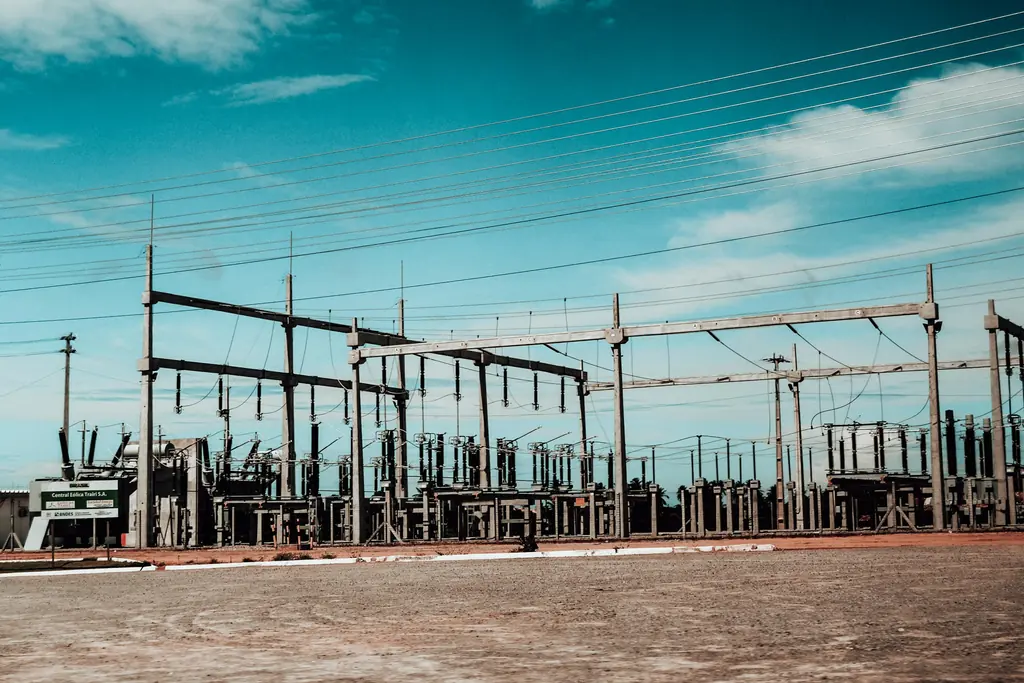
Outdoor high-voltage substation with gantries and power lines

Grid and substation engineering

High-voltage substations, grid connections and reinforcement studies that help network operators absorb ever more renewable power.

Aventiq engineers high-voltage substations up to 400 kV, grid connections for wind, solar and storage projects, and grid reinforcement solutions. We support transmission and distribution system operators and developers with power system studies, primary and secondary design, and protection and control.

High-voltage substation design

Substations are the nodes that make the energy transition possible. We design new substations and extensions from 20 kV to 400 kV, both air-insulated (AIS) and gas-insulated (GIS), covering layout, primary equipment, earthing, lightning protection, civil works and buildings.

Our secondary systems engineers design protection, control and automation in line with the standards of each grid operator, including IEC 61850-based substation automation.

  • AIS and GIS substations up to 400 kV
  • Primary and secondary design
  • Protection, control and IEC 61850 automation
  • Civil, structural and building design

Grid connections and congestion

Grid congestion has become one of the biggest bottlenecks for new renewable projects. Our power system engineers carry out load-flow, short-circuit, stability and harmonic studies to prove grid code compliance — and look for smarter options such as cable pooling, flexible connection agreements and storage to connect projects faster.
Outdoor high-voltage substation with gantries and power lines

Featured project

380 kV grid connection and substation

Design of a new 380 kV substation connecting large-scale renewable generation and battery storage to the transmission grid, including protection and control and grid code studies.

View our projects

FAQ

Frequently asked questions

What does a grid connection study include?

A grid connection study typically includes load-flow, short-circuit, dynamic stability and power quality analyses. It shows how a project affects the grid and whether it meets the grid code requirements of the network operator.

What is the difference between AIS and GIS substations?

Air-insulated switchgear (AIS) uses air as insulation and needs more space but is cheaper and easier to inspect. Gas-insulated switchgear (GIS) is enclosed and much more compact, making it suitable for urban or offshore locations where space is limited.

How can grid congestion be solved?

Options include grid reinforcement, cable pooling between multiple projects, flexible or time-bound connection agreements, battery storage and smarter control of generation. The right mix depends on the local grid and the project.

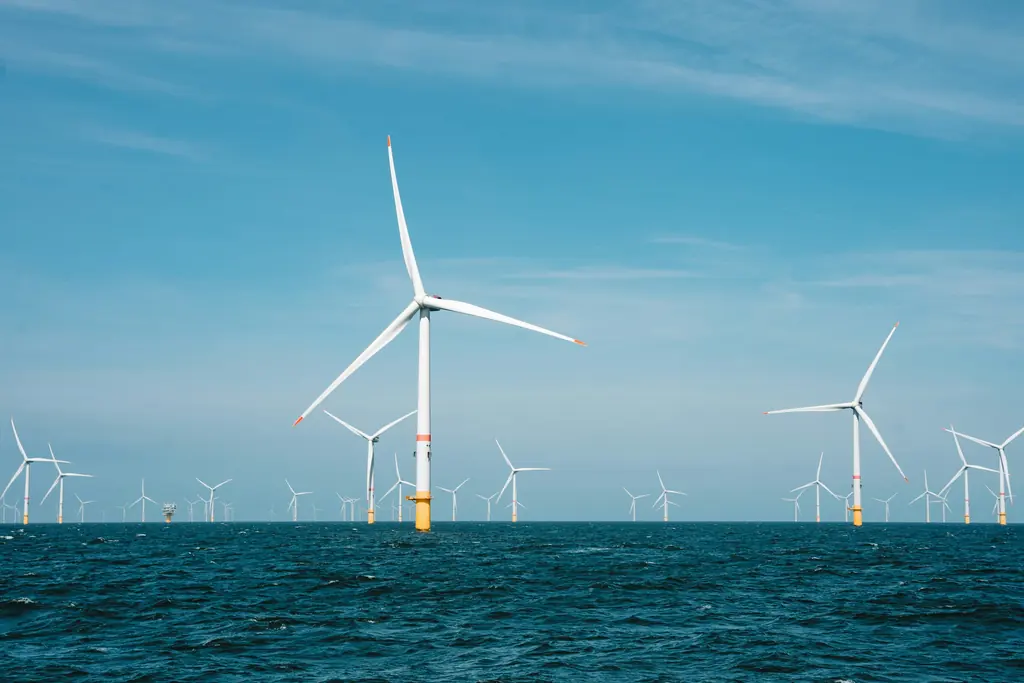
Offshore wind

Foundations, offshore substations, array and export cables, and installation engineering for offshore wind farms.

Learn more

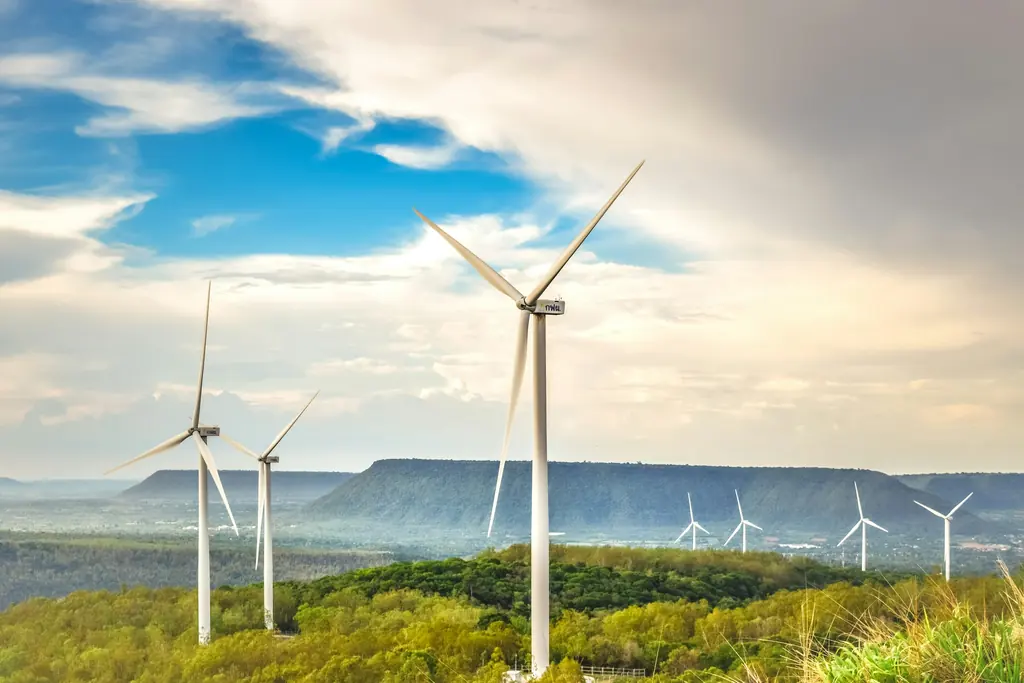
Onshore wind

Site assessment, layout, civil and electrical design, and repowering of existing onshore wind parks.

Learn more

Solar PV

Utility-scale and rooftop PV design, yield assessment and hybrid solar, wind and storage parks.

Learn more

Energy storage

BESS concept and sizing, safety and fire protection design, grid integration and business case support.

Learn more

Oil & gas

Brownfield modifications, platform electrification, life extension and decommissioning.

Learn more

Have an energy project in mind?

Tell us where you stand today. One of our engineers will get back to you personally within two working days.

Talk to an engineer
Contact us